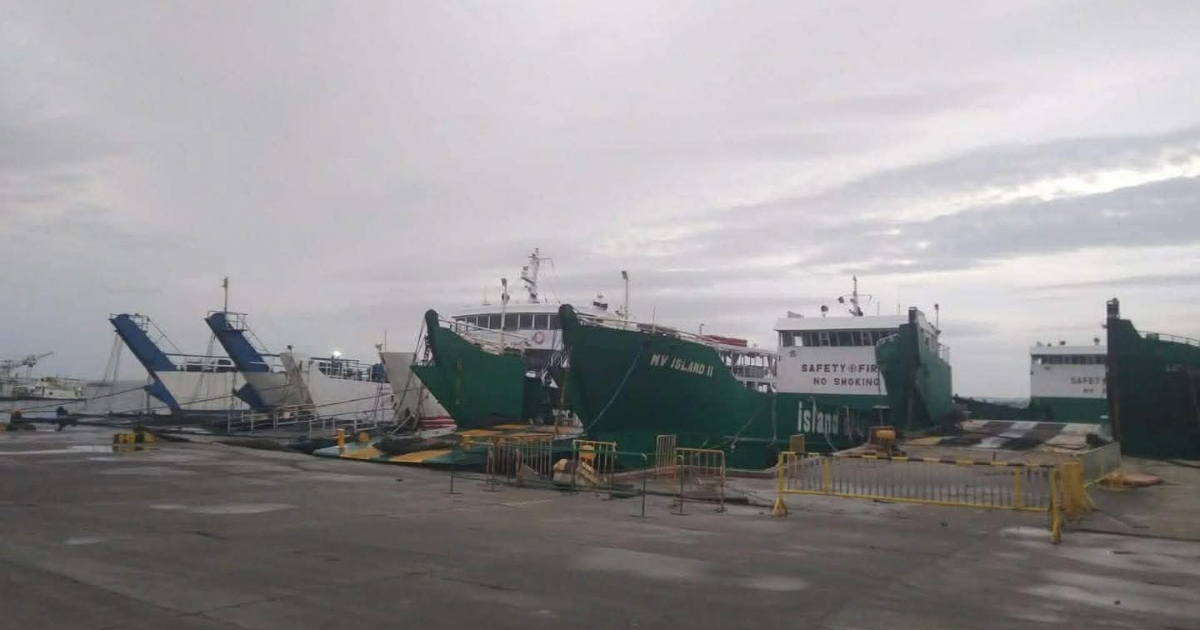
Filipinos are bracing for cooler mornings and evenings as the northeast monsoon, locally called “Amihan,” sweeps across the country.
The state weather bureau, PAGASA, said parts of the Philippines may experience temperatures as low as 7.9 degrees Celsius during the first two months of 2026.
PAGASA officials explained that the peak of the cold, dry northeast monsoon usually occurs in the early months of the year.
Temperatures in December are forecast to range from 11.4 to 14.3 degrees Celsius, while January and February could see a drop to 7.9 to 11.8 degrees Celsius.
Cold surges may intensify the chill, and authorities also warned that frosts may form in cooler areas, potentially affecting crops.
The agency also noted the possibility of a short-lived La Niña, which could last up to six months.
This phenomenon involves warmer-than-usual Pacific Ocean temperatures near the country and may influence rainfall patterns, increasing the likelihood of heavy rains and frequent rain-bearing systems such as shear lines.
The eastern seaboard is expected to experience the greatest impact.
Health authorities are urging vigilance against flu-like illnesses that typically accompany colder weather.
Regions recently affected by storms face added risks.
Flooding from typhoons can trigger leptospirosis, while poor sanitation increases vulnerability to vector-borne diseases.
Symptoms resembling the flu may mask more severe illnesses.
| Authorities advise the public to strengthen immunity, practice good hygiene, and stay hydrated. Holiday gatherings and crowded events can weaken the body’s defenses, heightening the risk of seasonal illnesses. | with reports from ABS-CBN |